To determine what size air conditioner do I need, you should calculate approximately 20 BTUs of cooling capacity per square foot of living space. Factors such as insulation quality, ceiling height, and local climate will influence whether you need a 2.5 ton unit for a 1,500 square foot home or a larger system. Professional sizing is critical to prevent short cycling and ensure the unit efficiently manages indoor humidity levels.
Selecting a new air conditioner for your Carbon County home is a significant investment, yet many homeowners find themselves caught between two frustrating extremes. Choose a unit that is too small, and your living room remains a stifling furnace during a Price summer; select one that is oversized, and you will face skyrocketing utility bills alongside a system that constantly short-cycles. At Keith HVAC, we believe that precision is the foundation of lasting comfort. Proper sizing ensures your equipment runs efficiently, manages local humidity effectively, and survives the demanding Utah climate for years to come. In this guide, we will break down the essential 20 BTU rule of thumb and explain how local factors in Helper and surrounding areas influence your cooling needs. You will also learn why a professional Manual J load calculation is the only way to guarantee peak performance for your specific floor plan.
Why Air Conditioner Sizing Matters in Carbon County
Selecting the right cooling system for your home is more than a matter of preference; it is a calculation of physics. when homeowners ask, "what size air conditioner do I need," they are usually looking for a balance between comfort and efficiency. In the HVAC industry, we measure this capacity in British Thermal Units (BTUs) and "tonnage." One ton of cooling capacity equals 12,000 BTUs per hour. If a unit is too small, it will run constantly without ever reaching your set temperature. If it is too large, it will cycle on and off too frequently, leading to mechanical strain and uneven cooling.
In Carbon County, our high desert climate introduces unique variables that a generic online calculator cannot account for. While we do not struggle with the heavy humidity of the East Coast, our intense summer sun and high elevation change how a home absorbs and retains heat. At Keith HVAC, we provide dependable heating and cooling solutions by looking beyond just square footage. We consider how your home interacts with the local environment, from the thin mountain air to the way sun hits your windows during a Price afternoon. Proper sizing ensures your system operates at peak efficiency while keeping your monthly utility costs manageable.
The 20 BTU Rule of Thumb for Utah Homes

For homeowners looking for a starting point, the industry standard is often referred to as the 20 BTU Rule of Thumb. This provides a baseline for what size air conditioner do I need by assigning 20 BTUs of cooling capacity to every square foot of finished living space. For instance; if you live in a 1,500 square foot home in Price, you would multiply that footage by 20 to arrive at a requirement of roughly 30,000 BTUs.
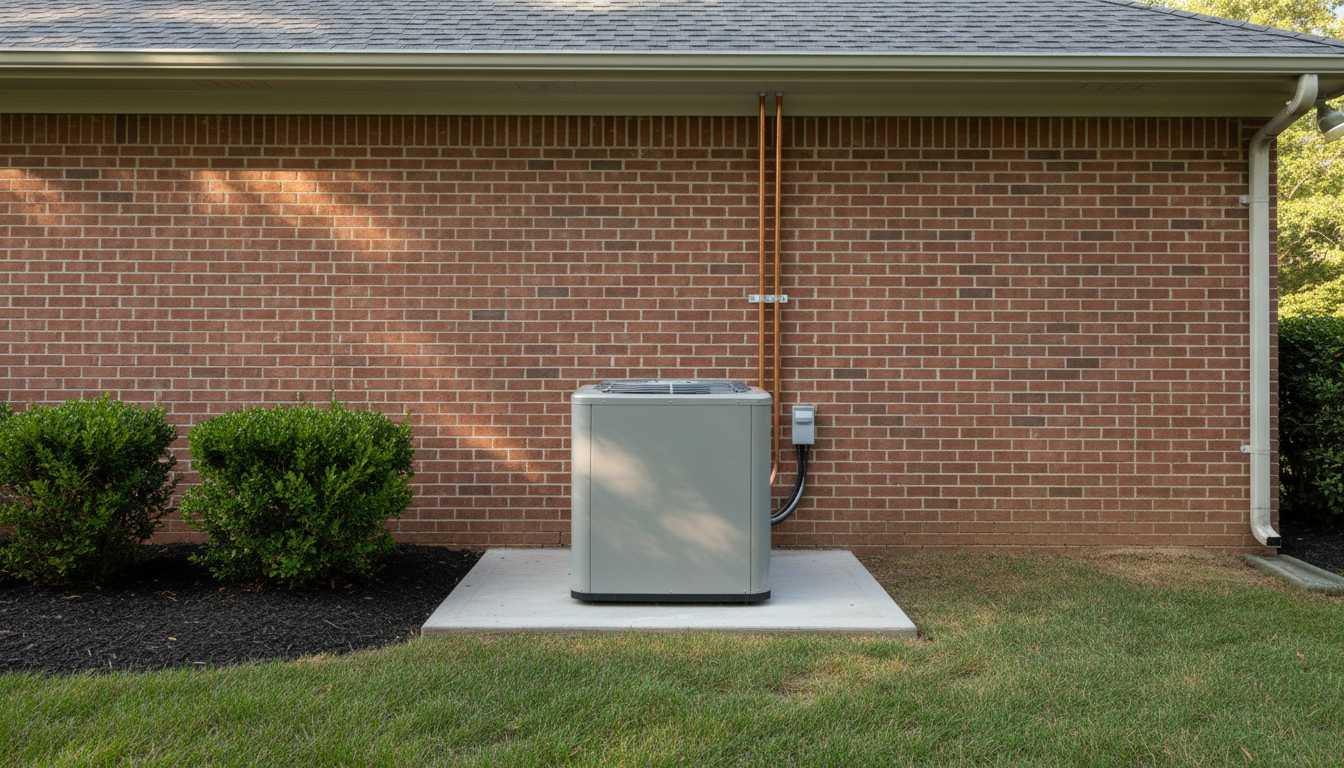
HVAC professionals translate these BTU numbers into tonnage. A ton of cooling does not refer to the physical weight of the outdoor condenser, but rather the amount of heat the system can remove from the home in one hour. Specifically; 12,000 BTUs equals one ton of capacity. Therefore, that 1,500 square foot home requiring 30,000 BTUs would generally fall into the 2.5-ton unit category.
While this serves as a helpful air conditioner size calculator for initial budgeting, remember that residential central air systems typically come in half-ton increments. Most residential applications range from 1.5 tons up to 5 tons. If a home exceeds 3,000 square feet, we often look at installing multiple systems to ensure even cooling distribution throughout the property.
Square Footage | Estimated BTU Requirement | Recommended Tonnage |
|---|---|---|
600 – 1,000 sq. ft. | 12,000 – 20,000 BTUs | 1.5 Tons |
1,001 – 1,500 sq. ft. | 20,000 – 30,000 BTUs | 2 to 2.5 Tons |
1,501 – 2,000 sq. ft. | 30,000 – 40,000 BTUs | 3 to 3.5 Tons |
2,001 – 2,500 sq. ft. | 40,000 – 50,000 BTUs | 4 Tons |
2,501 – 3,000 sq. ft. | 50,000 – 60,000 BTUs | 5 Tons |
Using this baseline helps narrow down the equipment classes available for your home. However, in Utah’s unique high desert climate, a simple calculation based solely on floor area is rarely the final answer. Tonnage is a measurement of potential capacity, but it does not account for the specific architectural details or the environmental stressors unique to the Carbon County area. Factors like the age of the structure and the quality of the insulation can significantly shift these requirements.
AC Sizing for Common Home Sizes in Price and Helper
Applying the 20 BTU rule to specific homes in Carbon County requires looking at local construction trends and building ages. When residents ask, "what size air conditioner do I need for a 1200 sq ft house," we start the calculation at 2 tons. However, many older cottages and bungalows in Price, built before modern insulation standards, often require a 2.5 ton system to keep up during a 95 degree July day. The extra capacity helps compensate for the higher heat gain found in homes with settled attic insulation or original single-pane windows.
For a 2000 sq ft house, we typically recommend a 3.5 ton unit as the baseline. In newer, more airtight developments in Wellington or modern builds in Helper, a 3 ton high-efficiency model might suffice if the home features advanced vapor barriers and superior R-value insulation. In these tighter envelopes, a smaller unit can effectively maintain dependable heating and cooling solutions without the risk of overworking the system.
Stepping up to a 3000 sq ft house, the requirement usually hits the 5 ton mark, which is the maximum size for most residential split systems. At this square footage, we often discuss the advantages of dual-unit configurations. Larger homes in our valley frequently have sprawling layouts where a single 5 ton unit struggles to maintain consistent pressure at the furthest vents. Using two smaller systems allows for better zone control and ensures your routine maintenance keeps the entire property comfortable. Because every home has different ductwork integrity, we encourage homeowners to schedule a professional load calculation to verify these estimates against their specific property needs.
Home Size | Standard Estimate | Local Consideration (Carbon County) |
|---|---|---|
1,200 sq. ft. | 2 Tons | 2.5 Tons for older Price bungalows |
2,000 sq. ft. | 3 to 3.5 Tons | 3 Tons for airtight newer builds |
3,000 sq. ft. | 5 Tons | Multiple units often recommended for zoning |
Local Factors That Change the Calculation
While square footage is a starting point, Carbon County’s geography forces us to adjust the math. Our elevation in the high desert, often exceeding 5,500 feet, impacts air density. Because thinner air carries less heat per cubic foot than air at sea level, your equipment must work harder to achieve the same cooling effect. This means a standard unit might underperform here compared to its rating in a lower elevation city; we often have to account for this efficiency drop during the design phase.
Sun exposure is another critical variable. In the Price area, a home with large west-facing windows overlooking the valley absorbs significant radiant heat during the peak of the afternoon. If your property lacks shade from the nearby mountains or mature trees, you will likely need a system with a higher BTU capacity to counteract that solar gain. Even two identical floor plans will require different equipment if one is shaded by a canyon wall and the other sits in an open field in Wellington.
We also evaluate air volume rather than just floor space. When determining what size air conditioner do I need, consider your ceiling heights. A 2,000 square foot home with 12-foot vaulted ceilings contains significantly more air to cool than a home with standard 8-foot ceilings. Furthermore, Utah’s soil conditions and common basement configurations play a role. A finished basement stays naturally cooler due to the surrounding earth, providing a heat sink that reduces the load. Conversely, a home built on a slab or over a shallow crawlspace will face higher heat gain through the foundation. These local nuances are why we recommend you schedule a professional load calculation before finalizing any equipment choice.
The Dangers of an Oversized Air Conditioner
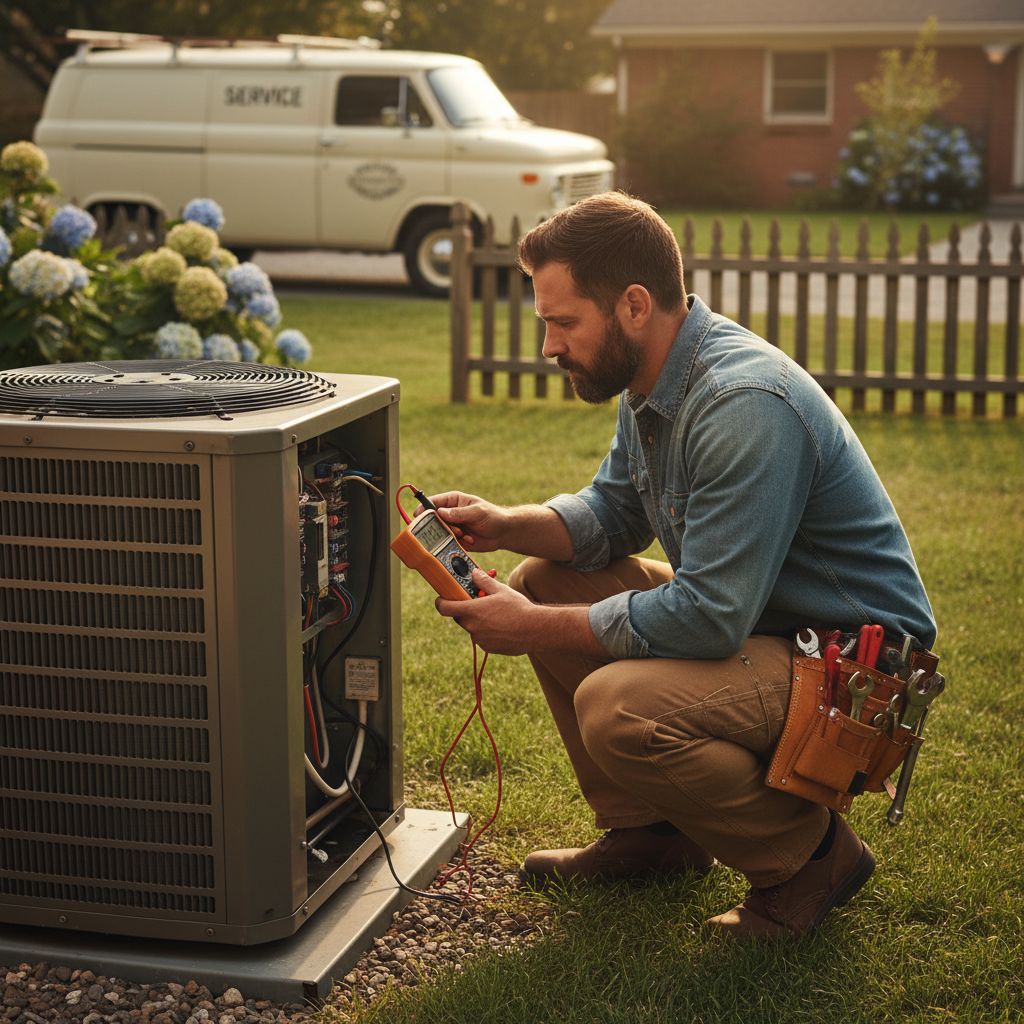
Many homeowners assume that installing a larger unit than necessary will result in a faster cool-down and a more comfortable home. In reality, an oversized system is one of the most common causes of persistent discomfort and high utility bills. When clients ask if it is better to undersize or oversize AC, the answer is neither; precision is the goal. A system that is too large for the space will suffer from short cycling. This occurs when the unit turns on and immediately blasts high-volume cold air into the room containing the thermostat. The thermostat reaches its target temperature almost instantly and shuts the system down before the cooling has had a chance to cycle through the back rooms or upstairs hallways, leaving the rest of your home warm.
Short cycling also negatively impacts indoor air quality. While Carbon County is known for its dry, high-desert air, moisture still accumulates in our homes from cooking, bathing, and basic respiration. A correctly sized unit runs a long, steady cycle that effectively pulls this moisture out of the air. When determining what size air conditioner do I need, you must account for this dehumidification process. An oversized unit shuts off so quickly that the humidity lingers, resulting in a clammy feel even when the thermometer says the room is cool.
From a mechanical perspective, an oversized unit is a liability. The most stressful part of an air conditioner’s operation is the startup phase; it requires a surge of electricity and puts the most strain on the motor. By forcing the compressor to start and stop dozens of times a day, you significantly increase the wear and tear on the system’s most expensive components. To avoid premature failure and ensure your dependable heating and cooling solutions last their full expected lifespan, proper sizing is essential. Without it, even routine maintenance cannot fully offset the mechanical damage caused by frequent, repetitive cycling.
Beyond the Tape Measure: The Manual J Load Calculation
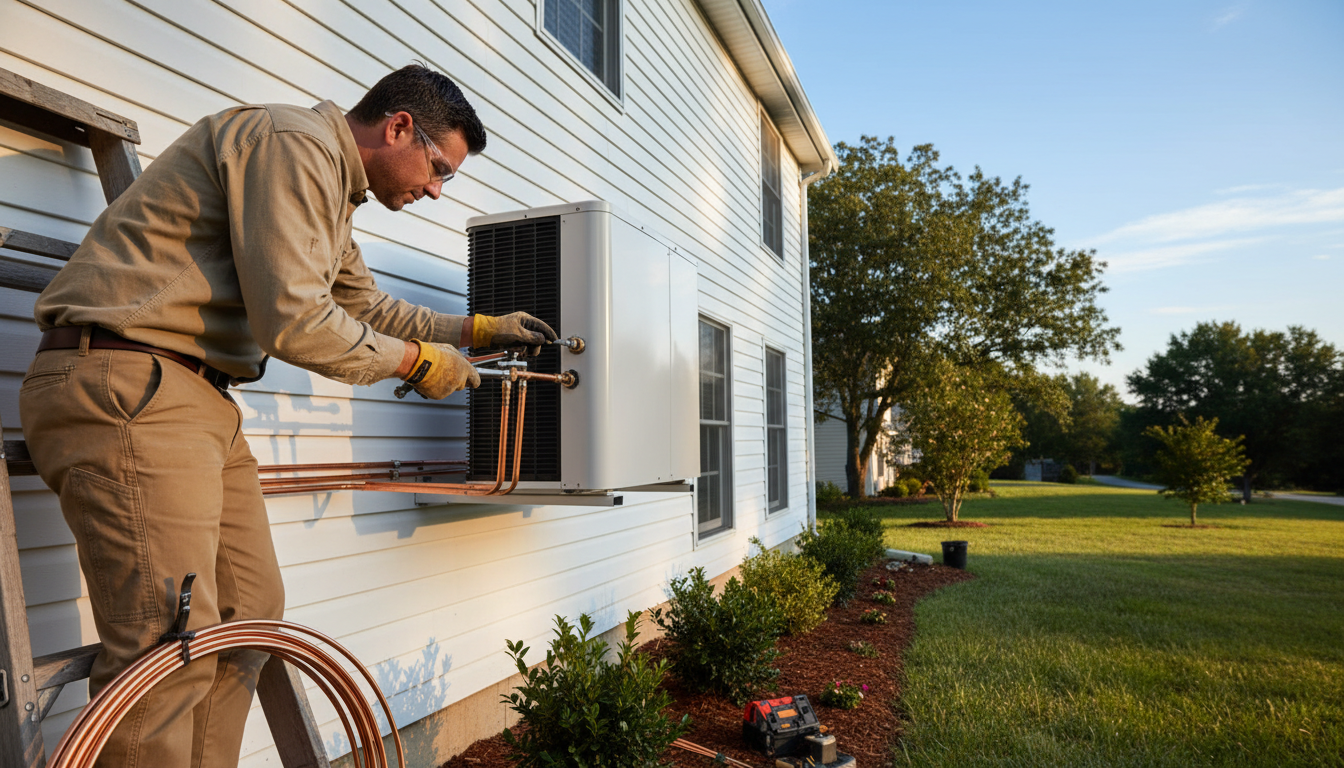
While rules of thumb offer a baseline, professional HVAC contractors rely on a protocol known as the Manual J load calculation. This method, developed by the Air Conditioning Contractors of America (ACCA), removes the guesswork from determining what size air conditioner do I need. Unlike basic square footage estimates, a Manual J assessment analyzes how your specific structure gains and loses heat. It accounts for the R-value of your wall and attic insulation, the orientation of your home relative to the sun, and whether your windows are modern double-pane units or older single-pane glass.
Generic air conditioner room size calculators found on the internet are typically designed for small window units or portable models. They fail to account for the complexity of central air systems, which rely on factors like ductwork integrity and airflow resistance. During a professional evaluation, we also consider internal heat gains, including the number of occupants and the heat generated by household appliances. If your ductwork is leaky or undersized, even a perfectly rated unit will struggle to provide dependable heating and cooling solutions.
At Keith HVAC, we believe precision is the only way to ensure long-term comfort and system longevity. By performing these detailed calculations during our installations, we protect your investment from the risks of short cycling and high energy bills. If you are planning a system replacement, it is vital to schedule a professional load calculation rather than relying on the tonnage of your existing, potentially outdated unit. This ensures your routine maintenance actually supports a system that was engineered correctly for your Carbon County home from day one.