A smart thermostat is worth it for most homeowners because it typically reduces annual heating and cooling costs by 10 to 15 percent. These devices offer significant savings over manual or programmable models by automatically adjusting temperatures based on your habits and local weather conditions. By optimizing settings for Carbon County weather, you can achieve a full return on investment through lower monthly utility bills.
Living in Carbon County means facing extreme temperature swings that can send your monthly utility bills skyrocketing. If you find yourself constantly adjusting the dial to keep up with high desert winters or dry summer heat, you are likely wasting energy and money. At Keith HVAC, we see homeowners wondering if a smart thermostat is truly a wise investment or just another flashy gadget. This guide explores how these devices function within our unique local climate to provide real savings and improved comfort. We will break down optimal settings for Utah winters, efficient cooling strategies for the desert, and the technical realities of upgrading older homes in our area. By the end, you will understand exactly how to leverage this technology to protect your comfort and your wallet.
Understanding the Smart Thermostat Difference
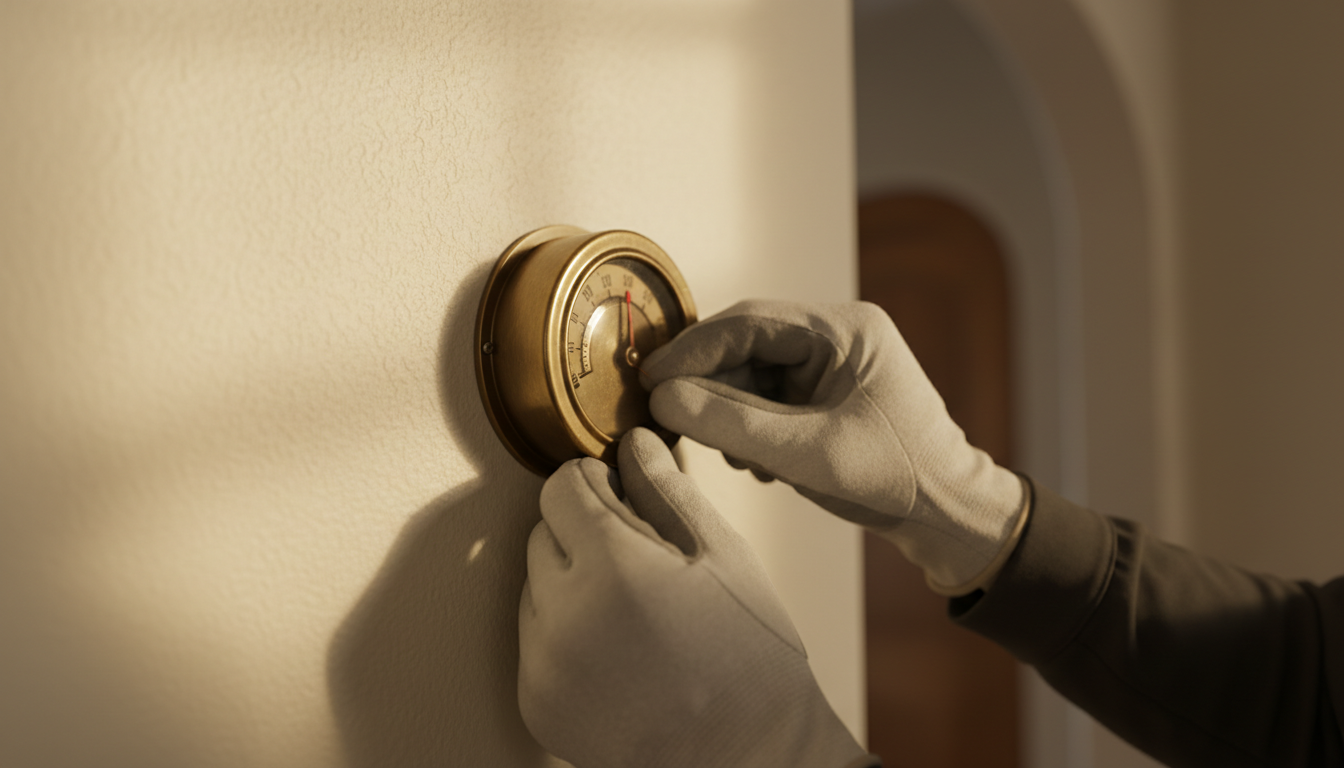
To determine if a smart thermostat is right for your home, you first need to understand how these devices differ from traditional controls. A manual thermostat is the most basic, requiring you to physically turn a dial or press a button every time you want to change the temperature. While reliable, these units often lead to energy waste because it is easy to forget to turn the heat down before leaving for work or heading to bed.
Programmable thermostats offer an upgrade by following a preset schedule. If programmed correctly, these can help you cut winter energy costs by roughly 5 to 10 percent. However, they are static; if your routine changes, the thermostat continues to run the old schedule until you manually override it.
The primary difference in the smart thermostat vs regular thermostat debate lies in automation and connectivity. Smart thermostats utilize machine learning algorithms to study your daily habits and automatically adjust the temperature based on when you are actually home. You can monitor and change settings from a smartphone, ensuring your reliable heating solutions are never running unnecessarily.
In Carbon County, the high-desert climate brings extreme temperature swings. Smart thermostats are particularly effective here because they track local weather patterns in real time. While a programmable unit might kick the furnace on based solely on the time of day, a smart device recognizes a sudden cold snap in Price or Helper and adjusts the pre-heating cycle accordingly to maintain comfort without overworking the system. This proactive adjustment ensures your home stays efficient through every season.
Is a Smart Thermostat Worth It for Utah Homeowners?

For most Carbon County residents, the answer to whether a smart thermostat is worth it is a definitive yes. While national research suggests these devices save between 8 and 15 percent on annual heating and cooling costs, these figures often carry more weight in the Intermountain West. In Utah, these percentages translate to significant dollar amounts because of our specific high-desert climate.
A homeowner in a temperate region might only save a few dollars a month because their system runs infrequently. In contrast, Carbon County winter lows frequently stay below freezing for weeks on end. When your furnace serves as the primary line of defense against sub-zero nights in Price or Helper, even a small reduction in run time results in noticeable utility bill relief. Because our local heating systems work significantly harder than the national average, the return on investment for a smart upgrade typically happens much faster here than in milder states.
It is important to understand the relationship between your HVAC hardware and its controls. The furnace efficiency rating determines how much heat is generated per unit of fuel, but the thermostat acts as the brain that prevents waste. You can have a high-efficiency system, but if a manual thermostat keeps the house at 72 degrees while you are away for the day, that efficiency is squandered. A smart thermostat ensures that your routine maintenance and equipment investments are actually paying off by eliminating unnecessary cycles.
Ultimately, the value of the upgrade comes down to precision. A smart device tightens the margin of error that naturally occurs with manual adjustments. In a region where heating systems are pushed to their limits for five months of the year, having a controller that optimizes every minute of operation is a practical necessity for managing household overhead.
Optimal Thermostat Settings for Carbon County Winters
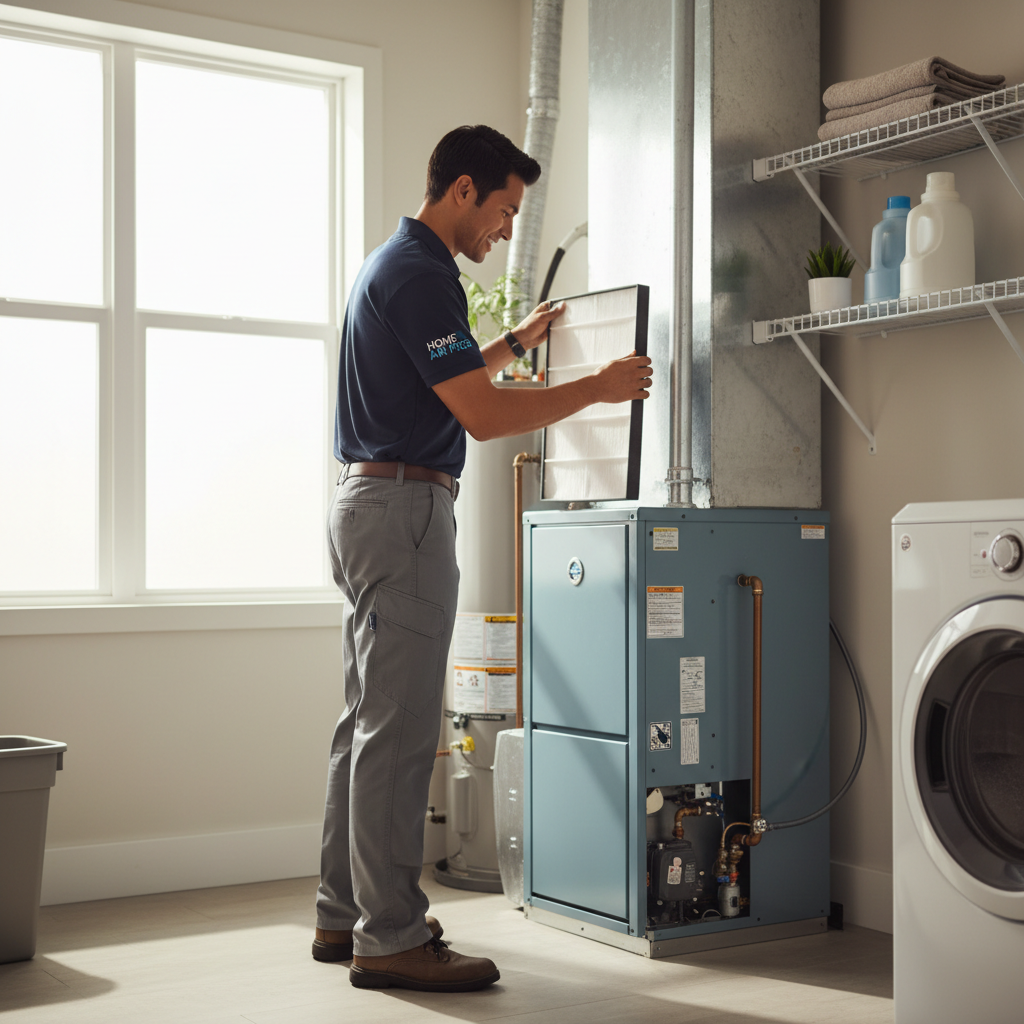
In Price and Helper, managing heat is a balancing act between physical comfort and monthly utility costs. The industry standard for winter efficiency is 68 degrees Fahrenheit while you are home and active. This temperature provides a solid baseline for most local families, offering a balance between warmth and furnace longevity. For every degree you lower the thermostat below this point for an eight hour period, you can expect to see a measurable reduction in your fuel consumption.
To maximize your savings, implement a setback of 7 to 10 degrees whenever you are sleeping or away at work. Dropping the target temperature to 58 or 61 degrees during these times is the most effective way to cut winter energy costs. While some residents fear that the furnace will work harder to recover that heat later, the physics of heat loss prove otherwise. Heat escapes a warmer house much faster than a cooler one. By maintaining a lower temperature for several hours, you significantly slow the rate of heat loss and reduce the total energy needed to maintain the structure.
The primary challenge with manual setbacks in a high desert winter is the discomfort of a cold house at 6:00 AM. Smart thermostats solve this by calculating "recovery time." The device learns exactly how long your reliable heating solutions take to raise the temperature from 60 to 68 degrees based on the current outdoor temperature in Carbon County. It starts the heating cycle at the precise moment required to reach your target by the time you wake up. This automation removes the human error and discomfort that often makes homeowners wonder if a smart thermostat is worth it. Proper calibration during routine maintenance ensures these recovery cycles are as short and efficient as possible.
Summer Cooling Strategies in the High Desert
While winter heating typically dominates utility conversations in Carbon County, managing summer cooling in the high desert requires a different strategy. For maximum efficiency, we recommend setting your air conditioner to 78 degrees Fahrenheit when you are at home. This target provides relief from the afternoon sun without forcing the compressor to run indefinitely against the dry Utah heat.
The real advantage for local homeowners lies in geofencing technology. This feature uses your smartphone’s location to create a virtual perimeter around your property. If you spend your Saturday exploring the Manti-La Sal National Forest or driving to a neighboring town, the thermostat recognizes your absence and allows the temperature to drift upward. As you head back toward Price, the system detects your approach and begins a cooling cycle so the home is comfortable the moment you arrive.
This automation stands in stark contrast to manual thermostats, which often remain at a static, low setting all day to avoid the discomfort of a hot house. By eliminating hours of unnecessary cooling while you are away, geofencing is a key reason why a smart thermostat worth it for residents with unpredictable schedules. Pairing this technology with annual routine maintenance ensures your cooling system handles these automated shifts without unnecessary mechanical strain.
The Pros and Cons of Smart Thermostat Upgrades
Evaluating whether a smart upgrade makes sense requires looking beyond the interface to the actual mechanical impact on your HVAC system. The primary advantages involve precision and visibility. Remote access allows you to adjust temperatures from anywhere, which is invaluable if a sudden spring storm hits while you are away from home. Furthermore, the detailed energy reports provided by these devices help you identify exactly when your system is working hardest. By reviewing this data, you can refine your settings to further cut winter energy costs without sacrificing comfort.
However, there are practical hurdles to consider. The upfront cost for the hardware and professional setup is higher than a standard digital unit. Compatibility is also a frequent issue in older Carbon County homes. Many houses built in the mid-twentieth century lack a C-wire, or common wire, which provides the constant 24V power required by smart displays and Wi-Fi chips. Without this wire, the thermostat may attempt to pulse the heating circuit to gain power, a process known as power stealing that can cause your furnace to click on and off rapidly, leading to premature component failure.
While some homeowners attempt a DIY installation, professional service ensures the device is correctly matched to your equipment. A technician will calibrate the thermostat to the specific cycles of your furnace or heat pump, ensuring the software understands the mechanical limits of your reliable heating solutions. This calibration prevents the system from short-cycling and ensures that the automation actually delivers the savings promised. Including this upgrade as part of your routine maintenance ensures that the new technology and your existing furnace work in perfect synchronization, making the investment in a smart thermostat worth it for the long term.
Compatibility and Installation for Older Local Homes
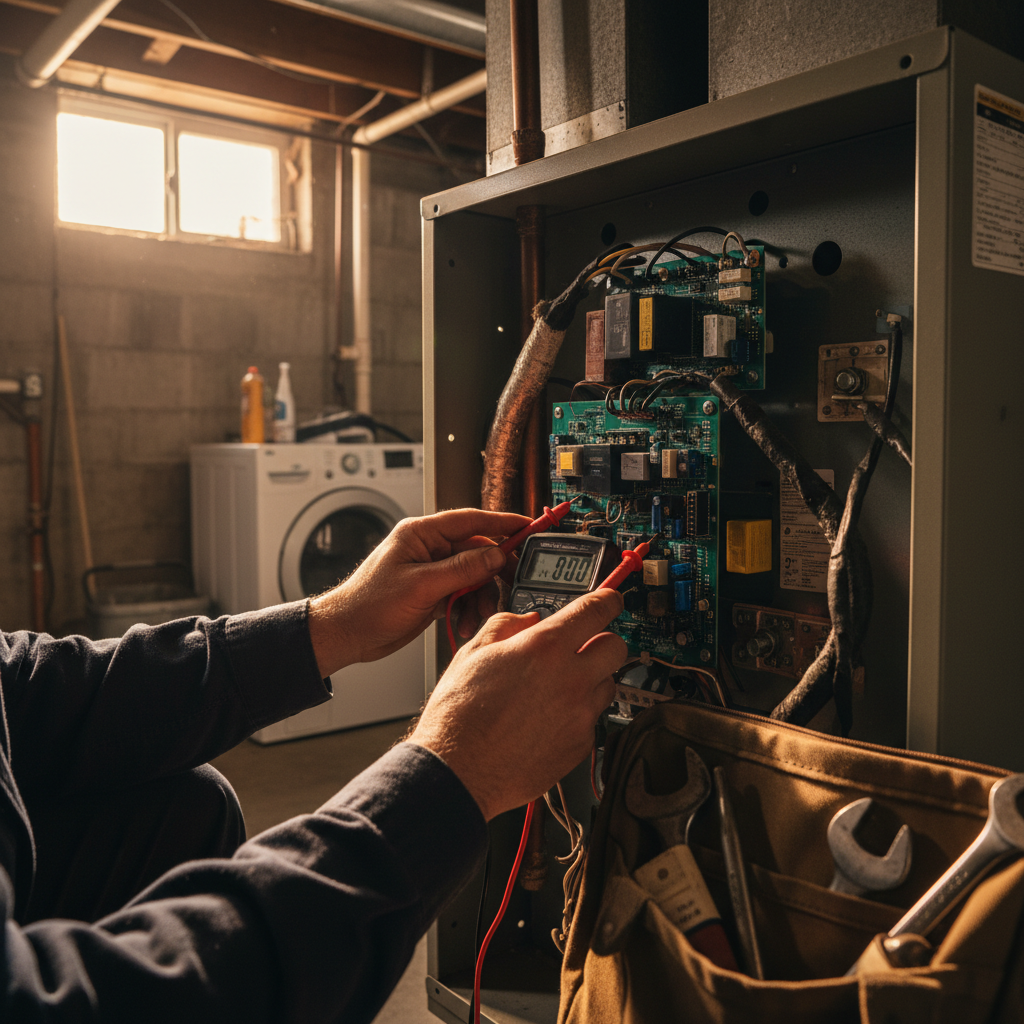
Many residents in Price and Helper live in houses built during the coal and energy booms of the 1970s and 80s. When these homeowners ask if a smart thermostat is worth it, the answer often depends on the existing wiring hidden behind the drywall. You cannot always simply swap an old mercury switch or early digital unit for a high-tech version without checking for a C-wire. This common wire provides a continuous 24-volt return path that powers the thermostat's Wi-Fi radio and backlit screen.
Older heating systems frequently use a simple two-wire setup designed only to close a circuit and trigger the furnace. If you attempt to install a modern device on these legacy wires, the thermostat may attempt to power steal from the heating circuit. This intermittent draw can confuse your furnace control board, leading to chattering relays or a complete system lockout. In some cases, this draws enough improper current to fry the expensive control board entirely, turning a simple upgrade into a costly repair.
Addressing these technical hurdles usually requires one of two paths:
Installing a C-wire adapter at the furnace to multiplex the existing wires.
Running a completely new bundle of thermostat wire from the furnace to the wall unit.
Professional installation ensures that your reliable heating solutions are not compromised by modern electronics. If your home dates back several decades, having a technician verify compatibility during routine maintenance prevents damage and ensures you can safely cut winter energy costs without risking the heart of your heating system.