Residents can effectively lower heating bills Carbon County Utah by scheduling annual furnace maintenance and setting thermostats to 68 degrees. Sealing air leaks, replacing filters monthly, and using solar heat through windows can further reduce energy consumption by up to 15 percent. These combined strategies ensure a more efficient home and manageable utility costs during the cold winter months.
When the winter winds begin to howl through Carbon County, local homeowners often feel the sting in their wallets long before the first major snowstorm arrives. Maintaining a comfortable home should not force you to choose between warmth and your monthly budget, yet many families struggle with inefficient systems that drive up utility costs unnecessarily. Understanding how your home consumes energy is the first step toward reclaiming control over your expenses. In this guide, Keith HVAC provides practical, expert strategies to lower your bills without sacrificing comfort. You will learn the most economical thermostat settings for our unique Utah climate, the reasons behind sudden gas bill spikes, and how simple maintenance can prevent heat loss. We will also explain how professional tune-ups ensure your furnace operates at peak efficiency all season long.
The Challenge of Winter Heating in Carbon County
Winter in Carbon County brings a unique set of demands for local property owners. In towns like Price, Helper, and Wellington, our high-altitude environment means we face biting winds and temperatures that routinely dip well below freezing for weeks at a time. This geographic reality forces residential and commercial heating systems to run almost continuously to keep interiors safe and habitable.
For many residents, this leads to a predictable but frustrating surge in monthly utility expenses. When trying to lower heating bills Carbon County Utah homeowners often feel like they are fighting a losing battle against the climate. Because our air is thinner and the cold is more sustained than in lower-elevation valleys, a standard furnace must work significantly harder to move heat through a building.
Successfully managing these costs requires more than just turning down the dial. It demands a holistic approach that combines mindful behavioral changes, aggressive home sealing to prevent heat loss, and proactive system maintenance. By ensuring you have reliable heating solutions in place and addressing structural vulnerabilities, you can maintain comfort without letting your gas and electric bills spiral out of control. The following guide outlines the specific steps needed to optimize your system for our local mountain climate.
The Most Economical Thermostat Setting for Utah Winters

Optimizing your system for the local climate starts with the thermostat. Determining a specific, consistent temperature is the most immediate way to lower heating bills Carbon County Utah families can manage. While it is tempting to crank the heat during a January cold snap, the industry standard for balancing comfort with fiscal responsibility is 68 degrees Fahrenheit. This setting provides enough warmth for an active household while keeping the furnace within its most efficient operating range.
The financial difference between 68 degrees and 70 degrees is more significant than most people realize. In our high-altitude environment, every degree you add above 68 typically increases energy usage by about 3 percent. If you prefer your home at 74 degrees, you are likely paying nearly 20 percent more than a neighbor who keeps their home at the recommended baseline. Over a long Price winter, those single-digit adjustments compound into hundreds of dollars in avoidable utility costs.
To maximize these savings, we suggest utilizing "smart setbacks." This involves lowering the temperature by 7 to 10 degrees for at least eight hours a day, usually while the family is sleeping or away at work. Homeowners who consistently use these setbacks can save up to 10 percent annually on their total heating costs. This works because a cooler home loses heat to the outside environment more slowly than a warmer one, meaning your furnace uses less total energy to regain a comfortable temperature later.
For busy families, a smart or programmable thermostat is an essential tool to automate this logic. These devices can be scheduled to begin warming the house thirty minutes before you wake up or return home, ensuring comfort without wasting fuel on an empty house. Regardless of how sophisticated your controls are, they rely on a responsive HVAC system to function. Scheduling a Furnace Tune Up Utah ensures the sensors are accurately read and the system is mechanically prepared to handle frequent temperature shifts efficiently.
Why Your Gas Bill Might Spike Randomly
Seeing a sudden surge in your monthly statement often prompts the question: why is my gas bill so high randomly? In Carbon County, the most common culprit is a sharp, multi day cold snap. When outdoor temperatures plummet in Price or Helper, the temperature gradient between your living room and the outdoors becomes steeper. Your furnace must run significantly longer cycles just to maintain a steady 68 degrees. Because gas is consumed by the minute of operation, these extended run times directly translate to higher therm usage.
External market forces also play a role. Natural gas prices fluctuate based on national supply and regional demand, meaning you might pay more per unit of energy even if your consumption remains identical to the previous month. However, a random spike can also signal a mechanical failure. If your bill increases drastically without a corresponding drop in outdoor temperature, your system may be experiencing a component failure, such as a faulty gas valve or a compromised burner, which forces the unit to work harder to produce the same amount of heat.
To accurately lower heating bills Carbon County Utah residents should distinguish between these environmental factors and system inefficiencies. A sudden air leak, such as a failed seal on a basement door or a window left slightly ajar, can cause a furnace to run nearly 24/7. If you suspect your equipment is burning excessive fuel despite your best efforts to conserve, it may be time to Contact Keith HVAC for a diagnostic check. Identifying a malfunctioning sensor or an airflow restriction early can prevent a single high bill from becoming a seasonal trend.
Stopping Heat Loss: Sealing Drafts and Attic Insulation
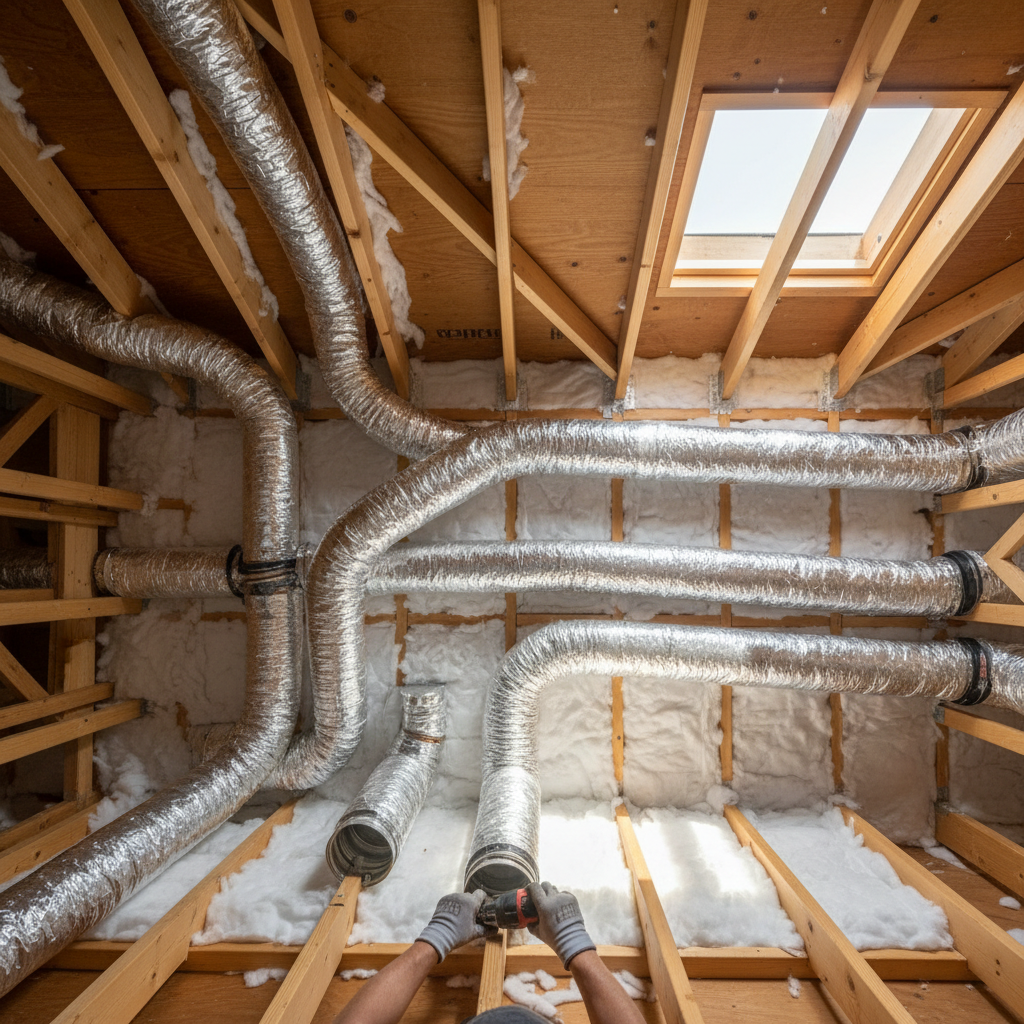
If your furnace is functioning correctly but the bills remain high, the building envelope is likely at fault. In many of the older homes found throughout Helper and Price, original construction materials have settled or degraded over time, creating pathways for warm air to escape. Addressing these structural gaps is a critical step to lower heating bills Carbon County Utah homeowners often overlook.
Start with the entry points. Inspect the weatherstripping on all exterior doors and window sashes. If you can see light around a door frame or feel a distinct chill near a window, your furnace is essentially heating the outdoors. Replacing cracked seals with new adhesive foam, V-seal strips, or door sweeps is a low cost project that provides immediate relief to the system. For the glass itself, installing heavy thermal drapes can act as an additional layer of insulation. Closing these curtains at sunset creates a buffer of still air, preventing the freezing nighttime temperatures from radiating directly into your living space.
Because heat naturally rises, the attic is often the largest source of energy loss. Many local residences built several decades ago have settled insulation that no longer meets modern thermal resistance standards. Upgrading attic insulation prevents the chimney effect, where warm air is pulled upward and pushed out through the roof, forcing the furnace to work overtime to replace it.
Do not ignore hidden leak points that standard inspections miss. Electrical outlets and light switches on exterior walls are notorious for leaking cold air; installing simple foam gaskets behind the cover plates can stop these micro drafts. In the basement or crawlspace, check the rim joists where the wooden house frame meets the concrete foundation. Sealing this perimeter with spray foam or rigid insulation blocks one of the most common sources of air infiltration in older Carbon County builds. If these structural improvements still leave your home feeling drafty, it may be time to audit your reliable heating solutions to ensure your equipment is properly sized for your home’s specific heat loss profile.
Maximizing Furnace Efficiency Through Simple Maintenance
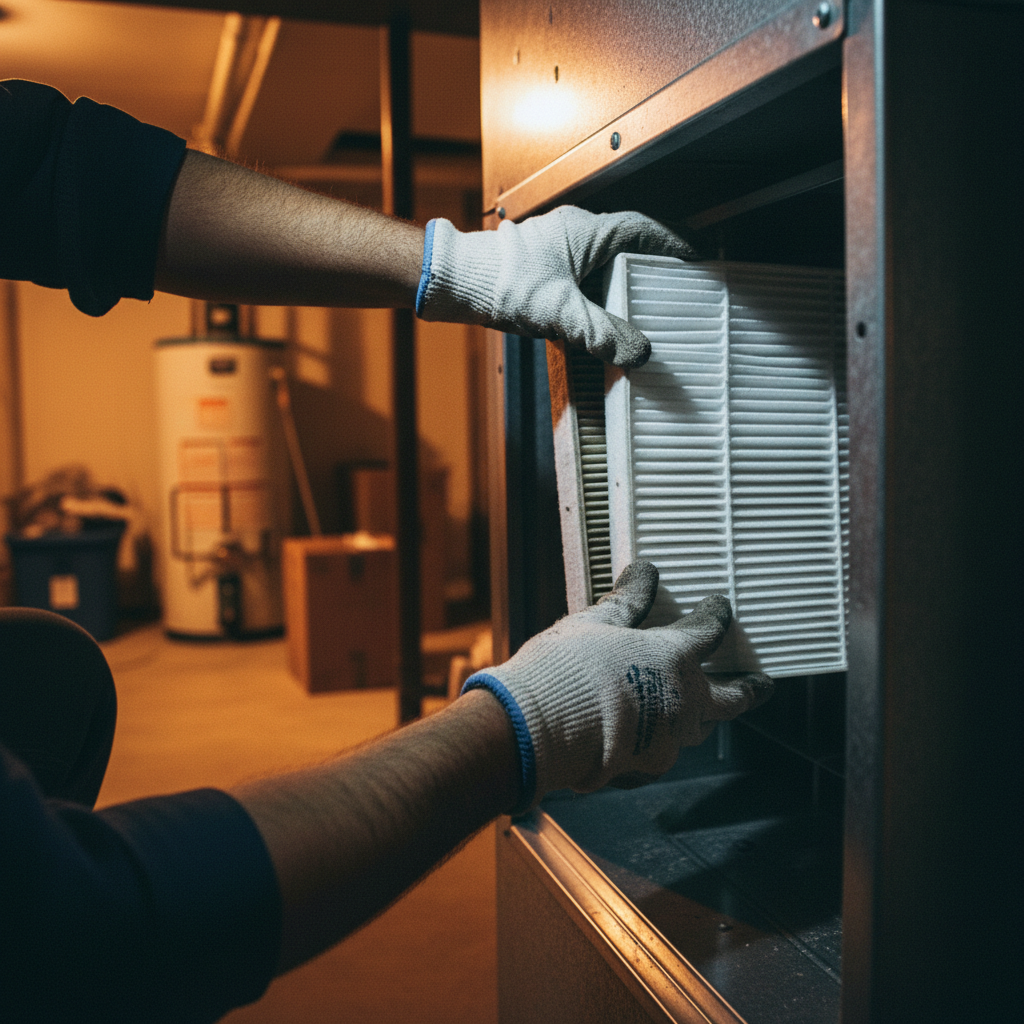
While addressing structural gaps keeps heat inside, maintaining your equipment ensures that heat is generated as efficiently as possible. Airflow is the primary driver of furnace performance. When airflow is restricted, your system must run longer and work harder to achieve the same temperature, which directly impacts your monthly utility expenses.
The most frequent cause of restricted airflow is a neglected air filter. As dust and debris accumulate, the blower motor is forced to pull air through a dense, clogged barrier. This increased resistance causes the motor to draw significantly more electricity and places immense strain on internal components. In extreme cases, restricted airflow can cause the heat exchanger to overheat, triggering a safety shut-off or causing permanent mechanical damage. To avoid these issues and lower heating bills Carbon County Utah homeowners should inspect filters monthly. While a standard home might go three months between changes, households with pets or allergy sufferers often need a fresh filter every 30 to 60 days.
Efficiency also depends on the path the air takes once it leaves the furnace. A common mistake is placing large furniture, rugs, or heavy drapes over supply vents and return grilles. This disrupts the system’s static pressure, forcing the furnace to work against itself. When return grilles are blocked, the system cannot "breathe" properly; when supply vents are closed or covered, the heated air is trapped in the ductwork rather than reaching your living space. Keeping these areas clear is a zero cost way to ensure your reliable heating solutions operate at peak performance. If you notice rooms remain cold despite a clean filter and open vents, it may be time for a professional Furnace Tune Up Utah to verify that your ductwork and blower assembly are functioning correctly.
Advanced Savings: The Role of a Professional Tune-Up

While routine cleaning and filter changes are vital, a professional Furnace Tune Up Utah addresses the complex technical calibration that home and business owners cannot perform alone. According to energy standards, a system that has been professionally optimized can reduce monthly heating bills by 10 to 15 percent. This efficiency comes from precision adjustments that ensure every therm of natural gas is converted into usable heat rather than being lost through the flue.
At Keith HVAC, our technicians focus on the unique demands of Carbon County’s geography. One of the most critical steps in our winter prep visit is checking the gas pressure. Because the air is thinner at our high elevation, a furnace must be properly tuned to maintain the correct fuel-to-oxygen ratio. If the pressure is set incorrectly for our altitude, the system will burn fuel inefficiently and sustain unnecessary wear. Our inspections involve several key technical steps:
Cleaning the burner assembly to ensure a steady, clean flame for maximum heat transfer.
Inspecting the heat exchanger for hairline cracks, which is essential for preventing dangerous carbon monoxide leaks.
Calibrating the blower motor to ensure it is not drawing excessive amperage, which spikes your electric bill.
These proactive steps are the most effective way to lower heating bills Carbon County Utah residents face during peak winter. Beyond the immediate monthly savings, maintaining reliable heating solutions ensures your furnace lasts its full expected lifespan, delaying the significant expense of a premature replacement. If you have not had your system inspected this season, Contact Keith HVAC to schedule a comprehensive evaluation before the next cold front arrives.