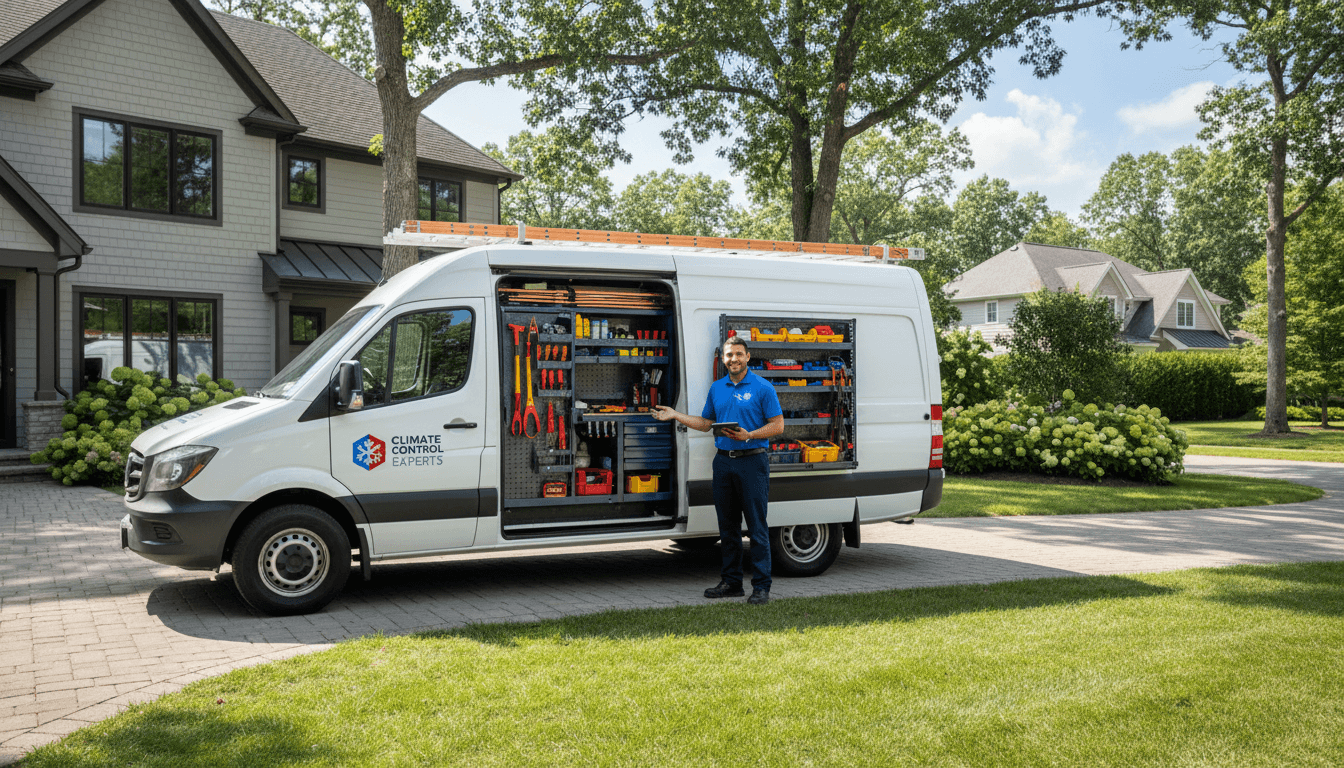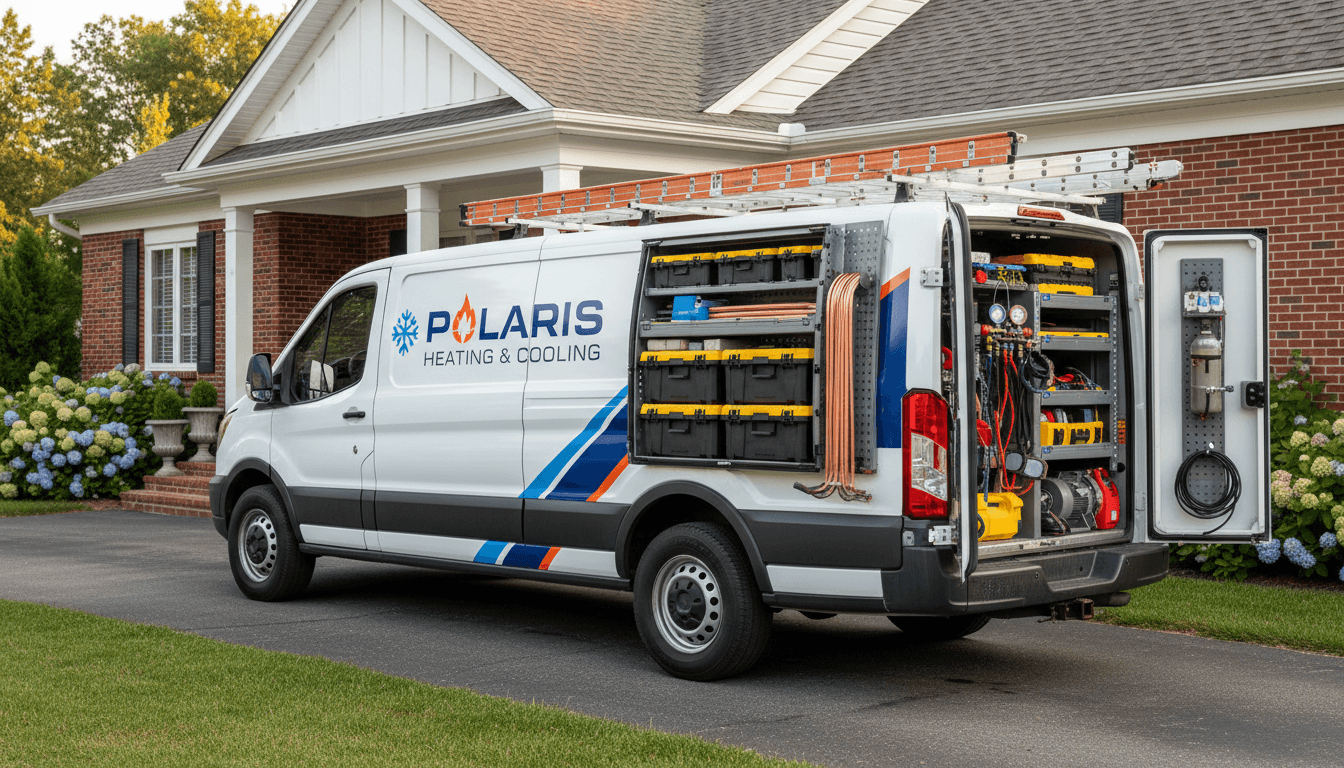
The 2026 HVAC refrigerant change Utah homeowners need to prepare for involves the mandatory transition from R-410A to low-GWP A2L refrigerants in all new air conditioning installations. Existing R-410A units will remain operational and repairable; however, new systems will feature updated technology designed to reduce environmental impact and enhance cooling efficiency.
If you own a home in Carbon County, you probably know that staying ahead of seasonal maintenance is the only way to avoid a mid-winter breakdown or a summer cooling disaster. However, a major shift is coming that goes beyond simple tune-ups. Starting in 2026, the HVAC industry is undergoing a federal transition away from R-410A refrigerant to newer, more environmentally friendly alternatives. This is not just a technical update for technicians; it directly affects your future repair costs, equipment longevity, and system performance during our harsh Utah winters. We understand that these regulations can feel overwhelming. In this guide, we will break down what A2L refrigerants mean for your property, explain how these changes impact local heat pump efficiency, and help you decide whether to maintain your current unit or upgrade before the mandate takes full effect.
Understanding the 2026 HVAC Refrigerant Transition in Utah
The HVAC industry is currently navigating a significant shift driven by the Environmental Protection Agency’s (EPA) AIM Act. This federal mandate requires a transition away from R-410A, the current industry standard refrigerant, toward alternatives with lower Global Warming Potential (GWP). Regarding the 2026 HVAC refrigerant change Utah homeowners are seeing in the news, the primary goal is reducing the environmental impact of cooling systems through a phased reduction of hydrofluorocarbons (HFCs).
The timeline for this transition is structured in two clear phases. First, manufacturers must stop producing new R-410A residential split systems by January 1, 2025. Second, the final deadline for contractors to install these remaining systems is January 1, 2026. After this date, all new equipment installations must utilize the next generation of approved refrigerants.
Homeowners in Price and throughout Carbon County should know that existing R-410A units are not becoming illegal. You are not required to replace a functioning system immediately. We continue to provide reliable HVAC solutions for these units, and R-410A will remain available for repairs for many years to come. At Keith HVAC, we prioritize quality workmanship and ensure you have the facts to make informed decisions. If you are concerned about your current unit, you can always contact Keith HVAC for a practical, expert evaluation.
Why R-410A is Phasing Out: The Environmental and Regulatory Drivers
The primary driver behind this transition is a metric called Global Warming Potential (GWP). R-410A, the current industry standard, has a GWP of 2,088. This means its impact on the environment is significantly higher than carbon dioxide. The EPA is mandating an 85 percent reduction in the production of these hydrofluorocarbons (HFCs) by 2036, pushing the industry toward safer alternatives. New refrigerants like R-454B feature a GWP of approximately 466, representing a massive leap in environmental sustainability.
This regulation is the core reason for the 2026 HVAC refrigerant change Utah homeowners are hearing about. It follows a similar path to the R-22 (Freon) phase-out of the past decade. While R-22 was phased out specifically to protect the ozone layer, R-410A is being retired to minimize atmospheric heat trapping.
Refrigerant | GWP Rating | Status |
|---|---|---|
R-22 (Freon) | 1,810 | Phased Out |
R-410A | 2,088 | Phasing Out |
R-454B | 466 | New Standard |
At Keith HVAC, we believe quality workmanship includes educating our clients on these regulatory shifts. Understanding the why behind these changes ensures you are not caught off guard by changing equipment standards or shifting maintenance costs in the coming years. As we move toward 2026, our focus remains on providing practical guidance to keep your home comfortable while adhering to these new federal environmental mandates.
The Rise of A2L Refrigerants: R-454B and R-32 Explained

As we move toward the final implementation of the 2026 HVAC refrigerant change Utah homeowners are navigating, two specific refrigerants have emerged as the new industry standards: R-454B and R-32. These substances are classified by ASHRAE as A2L refrigerants. The "A" stands for low toxicity, which is the same as the outgoing R-410A. The "2L" designation indicates that they are mildly flammable, a shift from the "1" rating of R-410A, which is classified as non-flammable.
Feature | R-410A (Old Standard) | R-454B / R-32 (New Standard) |
|---|---|---|
Safety Classification | A1 (Non-flammable) | A2L (Mildly Flammable) |
Toxicity | Low | Low |
Efficiency Potential | Standard | 10-12% Higher (R-32) |
GWP Rating | 2,088 | 466 (R-454B) / 675 (R-32) |
It is common to see concerns regarding a new hvac refrigerant being flammable, but these gases are extremely difficult to ignite in a residential setting. They have a slow burning velocity and require a high concentration and a high energy ignition source to catch fire. To ensure total safety, 2026-compliant units are engineered with mandatory safety features. These systems include integrated leak detection sensors and mitigation boards. If a leak is detected, the sensors trigger the system to shut down the compressor and engage the indoor blower fan to dilute the refrigerant concentration to safe levels.
At Keith HVAC, we emphasize that these safety protocols only work effectively when combined with quality workmanship during the installation process. Because A2L systems require specific handling and specialized tools, professional oversight is mandatory. If you have questions about how these new safety features function in your home, you can contact Keith HVAC for a detailed explanation. We are committed to providing reliable HVAC solutions that prioritize both environmental responsibility and household safety.
Impact on Carbon County Homeowners: Cost and Performance
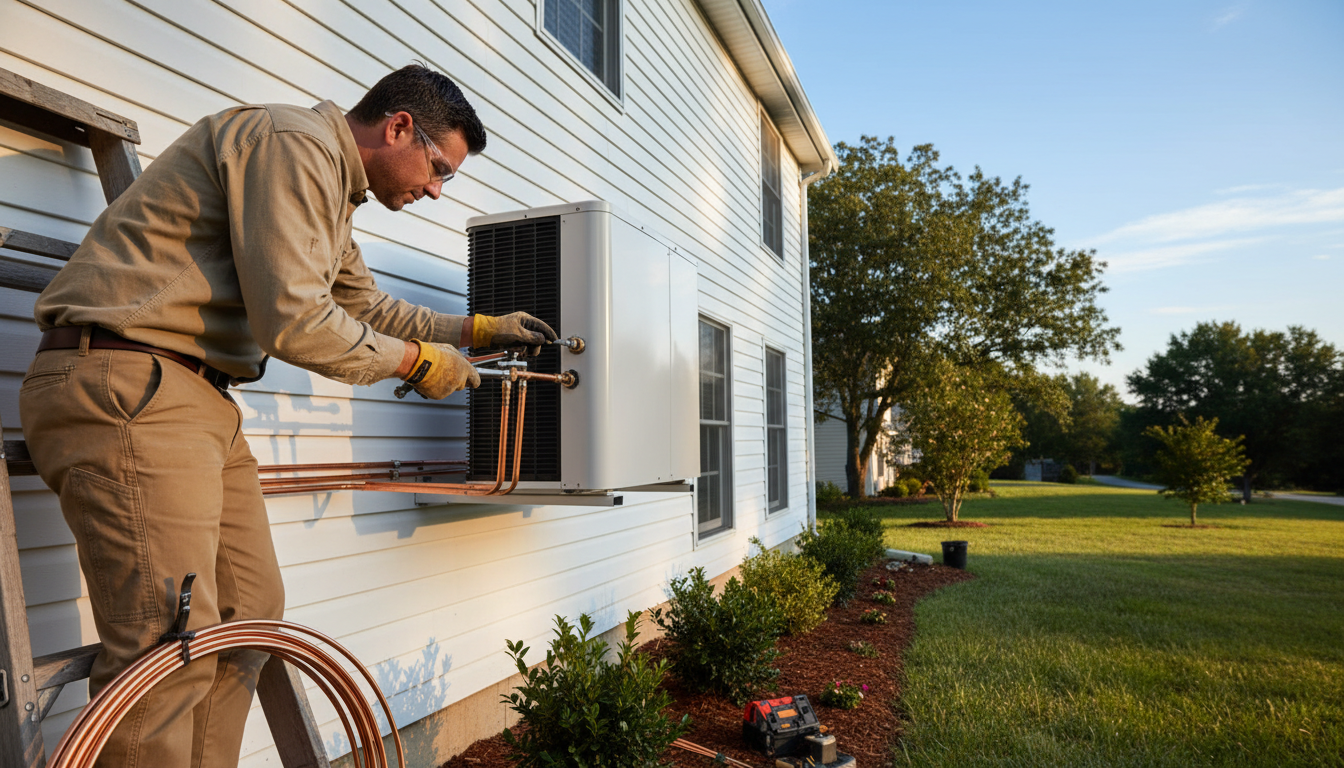
Carbon County homeowners face unique challenges due to our high desert climate, where winter temperatures frequently drop below freezing and summer highs demand constant cooling. The 2026 HVAC refrigerant change Utah homeowners are preparing for brings a significant shift in how these systems perform in our local environment. For instance, systems utilizing R-32 are proving to be approximately 10 to 12 percent more efficient than their R-410A predecessors. This improved heat transfer is particularly beneficial for families in Price or Helper, as it ensures the system works less to maintain a consistent indoor temperature during extreme weather shifts.
While performance is improving, the initial investment is also changing. Equipment prices for the new A2L compliant units are projected to rise by 10 to 25 percent. This increase covers the advanced engineering required for these systems, including mandatory leak detection sensors and mitigation boards that were not necessary in older models. When weighing these costs against a repair for an aging unit, we recommend using the 5,000 rule. If your system is over 10 to 12 years old and a repair costs 50 percent of the price of a new unit, investing in a replacement is often the more sound financial move.
At Keith HVAC, we provide reliable HVAC solutions that take these local economic and environmental factors into account. Choosing a modern system now can offset the higher upfront cost through long term energy savings and the peace of mind that comes with quality workmanship. If you are unsure if your current unit can handle another Carbon County winter, you can contact Keith HVAC for a straightforward assessment of your equipment’s health and projected lifespan.
Heat Pumps in Cold Climates: 2026 Technology and Utah Winters
The evolution of heat pump technology is perhaps the most significant benefit of the 2026 HVAC refrigerant change Utah homeowners are experiencing. Historically, local residents in Price, Helper, or East Carbon were skeptical of heat pumps because older models struggled when temperatures dropped toward zero. However, modern cold climate heat pumps utilizing R-32 or R-454B refrigerants are engineered for extreme environments. These systems now utilize advanced variable-speed compressors and enhanced vapor injection to maintain high efficiency even when outside air hits -22°F.
For a home in Carbon County, a 2026-compliant heat pump often proves more cost-effective than a traditional furnace and air conditioner combination. Because these units provide both heating and cooling from a single piece of equipment, they simplify maintenance and reduce the carbon footprint of your property. The thermodynamic properties of R-32, in particular, allow for better heat transfer at lower pressures; this translates to lower monthly utility bills during our harshest winter months. Keith HVAC provides reliable HVAC solutions tailored to these specific environmental demands. By selecting a system designed for sub-zero performance, you ensure year-round comfort backed by quality workmanship. If you want to see how these units perform in local elevations, contact Keith HVAC for a detailed technical comparison.
Maintenance vs. Replacement: What to Do with Your Current R-410A Unit

A common question we hear is whether you can still install R-410A equipment once 2026 arrives. The short answer is no for new system installations. While contractors may install existing inventory manufactured before 2025 until the January 1, 2026, deadline, all new cooling systems after that date must use A2L refrigerants. If your current unit is running well, there is no need for an emergency replacement. R-410A will remain available for repairs for many years; however, as production decreases to meet EPA mandates, the cost of the refrigerant itself will likely skyrocket. We saw this historically with R-22, where the price per pound eventually became a major factor in repair bills.
For homeowners with systems older than 12 years, the timing of the 2026 HVAC refrigerant change Utah homeowners are facing is critical. You have two primary paths. You can choose to replace your aging system before the 2026 deadline to avoid the 10 to 25 percent price increase associated with new A2L hardware. Alternatively, you can wait to invest in the higher efficiency and modern safety features of the new technology if your budget allows for the higher upfront cost. At Keith HVAC, we provide reliable HVAC solutions and quality workmanship to help you evaluate which path makes the most sense for your property. If you are unsure about the age or condition of your unit, contact Keith HVAC for a professional inspection before the transition begins.
Navigating Tax Credits and Incentives in 2026
While the equipment price for A2L compliant systems is higher, federal financial incentives significantly lower the total cost of ownership. The most prominent program is the Energy Efficient Home Improvement Credit, often referred to as Section 25C. This federal tax credit allows homeowners to claim up to $2,000 annually for installing high efficiency heat pumps. For those opting for a traditional central air conditioning system that meets specific efficiency standards, a credit of up to $600 is available.
These incentives are specifically designed to encourage the adoption of more efficient technology, effectively offsetting the 10 to 25 percent price increase associated with the 2026 HVAC refrigerant change Utah homeowners are now facing. By combining these tax credits with the lower utility bills offered by R-32 or R-454B systems, the long term financial outlook is favorable. At Keith HVAC, we offer reliable HVAC solutions that meet the rigorous standards required for these credits. We focus on quality workmanship to ensure your installation complies with all federal and local guidelines. If you need help identifying which specific units qualify for the maximum credit in Carbon County, you can contact Keith HVAC for a detailed technical breakdown of current incentives.
Why Professional Installation is More Critical Than Ever
The transition toward A2L refrigerants requires more than just new equipment; it demands updated technician skills and specialized infrastructure. Because R-32 and R-454B are mildly flammable, the tools used for the 2026 HVAC refrigerant change Utah homeowners are encountering differ from those used for decades. Technicians must now utilize ignition protected vacuum pumps, spark proof recovery machines, and specialized manifolds calibrated for the specific pressure scales of these new gases. Using standard R-410A tools on an A2L system is not just ineffective; it can be dangerous and potentially voids manufacturer warranties.
Local code compliance in Carbon County will be strictly enforced to ensure these safety critical systems are installed correctly. Proper evacuation procedures and precise charging are essential to prevent the leak detection sensors from triggering unnecessary shutdowns. At Keith HVAC, we invest in the latest equipment and training to provide reliable HVAC solutions that meet these rigorous new standards. Our commitment to quality workmanship ensures your new system operates safely and at peak efficiency from day one. To schedule a professional assessment or learn more about code compliant installations in Price, you can contact Keith HVAC today.
The upcoming 2026 shift is a significant milestone for local energy efficiency, but proactive planning makes the transition much easier. While these new regulations might seem complex at first, understanding your equipment options now allows you to make informed choices for your home. If you want expert help navigating these changes or need professional advice tailored to your property, you can learn more about our mission and our local expertise. We are here to provide clarity and ensure your comfort remains a top priority.