Protect your home by installing a carbon monoxide detector furnace alarm on every level and within ten feet of all sleeping areas to catch leaks early. For optimal performance, place detectors five to twenty feet away from gas furnaces and test them monthly; this setup ensures your family remains safe from silent gas buildup during the winter.
As the temperatures drop in Carbon County, your gas furnace becomes the heart of your home, yet it can also present a hidden danger if not monitored correctly. Many homeowners overlook the fact that carbon monoxide is a silent, odorless threat that can bypass standard smoke alarms. At Keith HVAC, we believe that understanding the relationship between your heating system and your detector is the most important step in winter preparation. This guide will walk you through the essential safety protocols every resident needs to know. You will learn the ideal placement for detectors, how to spot the early warning signs of a cracked heat exchanger, and why even a dormant furnace can pose a risk. By the end of this article, you will have a practical roadmap for maintaining a safe, warm, and secure environment for your family all season long.
Understanding the Silent Risk in Carbon County Homes
Carbon monoxide (CO) is an inevitable byproduct of the gas combustion process that heats the majority of homes in Carbon County. Under normal conditions, your heating system safely vents these toxic gases outside. However, the geographic reality of living in Eastern Utah introduces specific risks. Our long, sub-zero winters demand that furnaces run almost continuously for months at a time. This heavy mechanical load leads to accelerated wear on internal components, specifically the heat exchanger, which can eventually develop stress cracks.
Because CO is colorless, odorless, and tasteless, it is impossible for human senses to detect. A proper carbon monoxide detector furnace configuration serves as your primary line of defense, providing an early warning that your eyes and nose cannot. In high-altitude environments like Price and Helper, thinner air can also impact burner efficiency. Combustion requires a specific ratio of oxygen to fuel; when this balance is slightly off due to elevation, it can result in higher levels of CO production compared to sea-level operations. Regular furnace maintenance and tune-ups are critical to ensure your system is burning fuel cleanly and venting correctly throughout the peak heating season.
Why Every Gas Furnace Needs a Dedicated Carbon Monoxide Detector
Installing a dedicated carbon monoxide detector furnace alarm is a critical safety requirement for any home using natural gas or propane. While modern units are designed with safety in mind, they rely entirely on the integrity of the heat exchanger. This metal component acts as a physical barrier, containing combustion gases while transferring heat to the air circulating through your rooms. Over years of heavy use in Utah winters, the metal expands and contracts, which can eventually lead to stress cracks. A cracked heat exchanger allows CO to bypass the venting system and enter your living space directly.
This risk is specific to gas fired equipment. Electric furnaces, which use heating elements rather than combustion, do not produce CO. However, few homes in our region are entirely electric. Most households in Price and Helper also utilize gas powered water heaters or stoves, meaning a detector remains necessary even if the primary heater is electric. To verify your system is operating within safe parameters, we recommend annual furnace maintenance and tune-ups. Seeking reliable HVAC solutions ensures that these mechanical components are inspected with specialized tools that can identify hairline fractures invisible to the naked eye.
Strategic Carbon Monoxide Detector Placement for Maximum Protection

Effective protection requires more than just buying a device; it demands strategic installation. A common question among Price homeowners is whether to mount units high or low. While carbon monoxide is slightly lighter than air, it typically mixes evenly within a room. Therefore, the most important factor is following the specific manufacturer instructions for your device rather than worrying about exact height.
You must install a detector on every level of the home, including the basement. In many Carbon County residences, the furnace is located in a basement utility room. However, you should avoid placing the device inside the furnace room itself. A carbon monoxide detector furnace setup works best when placed 15 to 20 feet away from the heating unit. This distance prevents false alarms caused by tiny, harmless amounts of gas released during the initial startup cycle, which might otherwise trigger a sensitive alarm located too close to the burner.
To ensure maximum safety, follow these placement guidelines: - Install an alarm within 10 feet of every sleeping area so the siren is loud enough to wake occupants. - Place units near attached garages, as idling vehicles are a frequent source of CO. - Avoid mounting detectors directly next to windows, ceiling fans, or supply vents, as moving air can blow CO away from the sensor and delay detection.
Ensuring these sensors are positioned correctly is as vital as scheduling annual furnace maintenance and tune-ups. If you are unsure if your current detector layout meets modern safety standards, you can contact Keith HVAC for a professional assessment during your next service visit. Providing reliable HVAC solutions means more than just fixing equipment; it means ensuring your entire home environment is monitored effectively.
Identifying a Furnace Leak: Warning Signs for Homeowners
While your carbon monoxide detector furnace setup provides a critical safety net, you can often identify potential issues through visual inspections of your equipment. A primary indicator of trouble is the burner flame. In a properly functioning system, the flame should be crisp and blue. If you notice a yellow, orange, or flickering flame, it suggests incomplete combustion, which significantly increases CO production.
Other mechanical warning signs include: - Soot or brownish, rusty staining around the exterior of the furnace cabinet. - A pilot light that frequently goes out or behaves erratically on older models. - Unusual levels of heavy condensation on the inside of windows, which can indicate that combustion byproducts are not venting correctly and are instead building up moisture in the home.
Homeowners often ask about the specific warning signs of a leak before an alarm sounds. It is vital to distinguish between these equipment failures and the physical toll CO takes on the body. Unlike the flu, CO poisoning does not typically cause a fever. Instead, it presents as persistent headaches, dizziness, nausea, and general fatigue. A major red flag is if these symptoms improve or disappear entirely shortly after you leave the house to breathe fresh air.
Because these mechanical signs are not always obvious to the untrained eye, scheduling regular furnace maintenance and tune-ups is the most effective way to catch small leaks before they become hazardous. If you suspect any of these signs, seeking reliable HVAC solutions immediately is necessary to protect your household from exposure.
The Turned Off Myth: Can a Furnace Leak CO While Not Running?
A common misconception among homeowners is that a furnace only poses a risk when actively heating. In reality, a furnace can contribute to a CO emergency even when it is turned off. If you have an older unit with a standing pilot light, that small, continuous flame produces combustion byproducts every hour of the day. A malfunctioning pilot can slowly leak gas or CO into your utility area, necessitating a reliable carbon monoxide detector furnace setup that remains active even in the off-season.
A more significant risk in Price and Helper involves shared venting systems. Many local homes vent both the furnace and the water heater through the same chimney or B-vent. During heavy Utah snowfalls, ice or debris can block the roof vent cap. If the water heater cycles on while the furnace is dormant, the toxic exhaust has no exit path and can back-draft through the furnace heat exchanger into your home. Scheduling furnace maintenance and tune-ups ensures your venting is clear and properly configured to handle these pressures. For a comprehensive safety check, you can contact Keith HVAC to inspect your entire exhaust system.
Maintenance and Replacement: When to Swap Your Detectors
Owning a detector is only effective if the device is functional. While most homeowners remember to change batteries every 6 to 12 months, the internal sensor of a carbon monoxide detector furnace setup has a hard expiration date. These sensors rely on a chemical reaction to detect gas, and those chemicals dissipate over time regardless of whether they have ever been triggered. Most units are designed to last between 5 and 7 years before the sensor becomes unreliable.
Understanding the audible signals of your device is vital for safety. A single chirp every minute typically indicates a low battery, which you should address immediately. However, a repeated pattern of chirps that persists even after a battery change is often an "End of Life" warning. When shopping for replacements, always look for the UL2034 standard printed on the packaging or the device itself. This certification ensures the device meets rigorous safety requirements for residential use and will react appropriately to varying concentrations of CO.
If you are unsure of your unit's age, remove it from the wall and check the date stamp on the back. If the date is missing, illegible, or more than five years old, replace it. During furnace maintenance and tune-ups, we recommend testing every unit in the home. Investing in reliable HVAC solutions includes maintaining these external safety monitors as diligently as the heating equipment itself.
Preventative Steps: The Role of Professional Furnace Inspections
A carbon monoxide detector furnace alarm serves as a vital safety net, but it is a reactive tool rather than a preventative one. Professional inspections allow us to identify mechanical failures before they become life-threatening emergencies. During our furnace maintenance and tune-ups, we utilize specialized diagnostic equipment such as combustion analyzers. These tools measure the exact concentration of oxygen, carbon dioxide, and carbon monoxide within the flue gases. If these levels are outside of the manufacturer's specified range, it indicates that the system is not burning fuel completely, which is often a precursor to a dangerous leak.
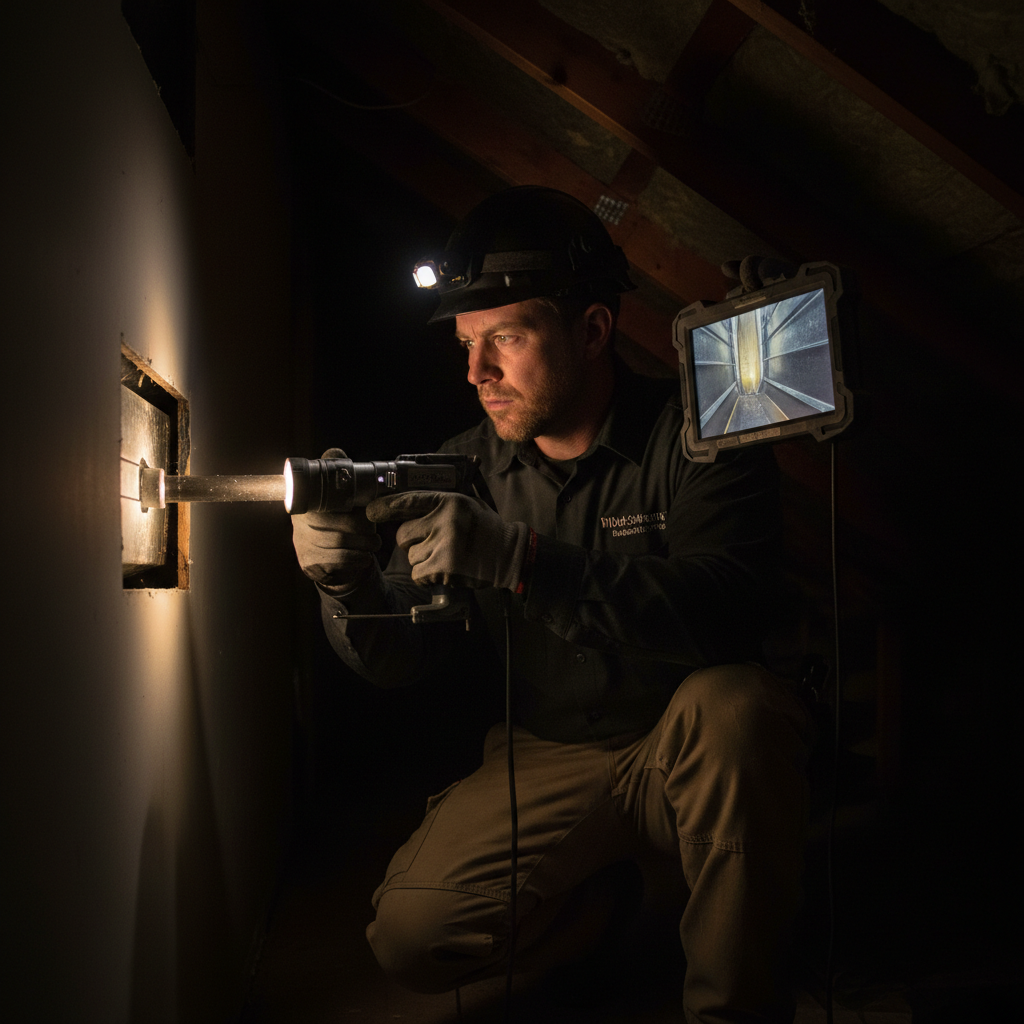
A significant portion of our work in Carbon County involves inspecting the physical integrity of the heat exchanger. Because these components are often obscured within the furnace cabinet, we use high-resolution cameras and mirrors to check for hairline fractures or corrosion. Beyond the furnace itself, we evaluate the entire venting system. Utah building codes have evolved significantly to ensure that toxic byproducts are moved safely out of the home. Many older residences in Price and Helper were built under older standards that may no longer be sufficient, particularly regarding chimney liners or vent sizing for modern, high-efficiency equipment.
When we provide reliable HVAC solutions, we ensure that every system replacement or repair adheres to current safety regulations. Improper venting is one of the most common causes of back-drafting, where CO is pulled back into the living space. If you are concerned about the age or safety of your heating system, you should contact Keith HVAC for a comprehensive evaluation. Professional oversight is the only way to ensure your home remains both warm and safe throughout the winter.
Ensuring your home remains safe during the cold months in Carbon County starts with vigilance. By maintaining your carbon monoxide detectors and scheduling regular furnace inspections, you protect your family from silent threats. If you want expert help managing these safety checks or ensuring your heating system is in top condition, you can explore our Services to find the right solution for your home. We are here to provide peace of mind and reliable warmth all winter long.