
A comprehensive HVAC maintenance checklist includes monthly DIY tasks like replacing air filters and clearing outdoor debris to maintain system airflow. Homeowners should also schedule annual professional inspections to check electrical connections and clean internal coils for optimal performance; this routine helps prevent unexpected failures during Utah’s seasonal temperature extremes.
Living in Carbon County means your HVAC system never gets a true break. One month you are fighting the high desert heat, and the next, you are relying on your furnace to survive a bitter Utah freeze. When your system works overtime, wear and tear accumulate quickly, often leading to sudden, costly breakdowns at the worst possible moments. Keeping your home comfortable requires more than just changing a filter once a year; it requires a strategic approach to maintenance. In this guide, we provide a comprehensive breakdown of seasonal tasks designed specifically for our local climate. You will learn essential DIY steps to improve efficiency, recognize the specific signs that require professional intervention, and understand the financial metrics used to decide if a system needs a simple repair or a full replacement. By following this roadmap, you can extend the life of your equipment and maintain peace of mind throughout every season.
Why Carbon County Homes Need a Custom HVAC Maintenance Checklist

Carbon County presents a unique set of challenges for any heating and cooling system. The high desert environment means our equipment deals with more than just temperature shifts. Between the canyon winds in Helper and the intense summer sun in Price, your unit faces seasonal dust, low humidity, and extreme thermal stress. A generic HVAC maintenance checklist found on a national website often misses these regional nuances. In Utah, we experience a swing from sub-zero winter nights to triple-digit summer afternoons, which forces components to expand and contract more aggressively than in milder climates.
Relying on a localized strategy ensures your system stays efficient despite the grit and temperature spikes typical of the Wasatch Plateau. Dust accumulation is a primary killer of efficiency in our area, acting as an abrasive on moving parts and an insulator on cooling coils. By focusing on routine maintenance tailored specifically for Carbon County, you can extend the lifespan of your equipment and avoid the high costs of premature system replacements. This guide moves beyond basic advice to address the practical realities of keeping a home comfortable in our rugged environment. If you notice your system struggling with these local conditions, contact Keith HVAC for a professional assessment.
Spring HVAC Maintenance Checklist: Prepping for Utah Summer Heat
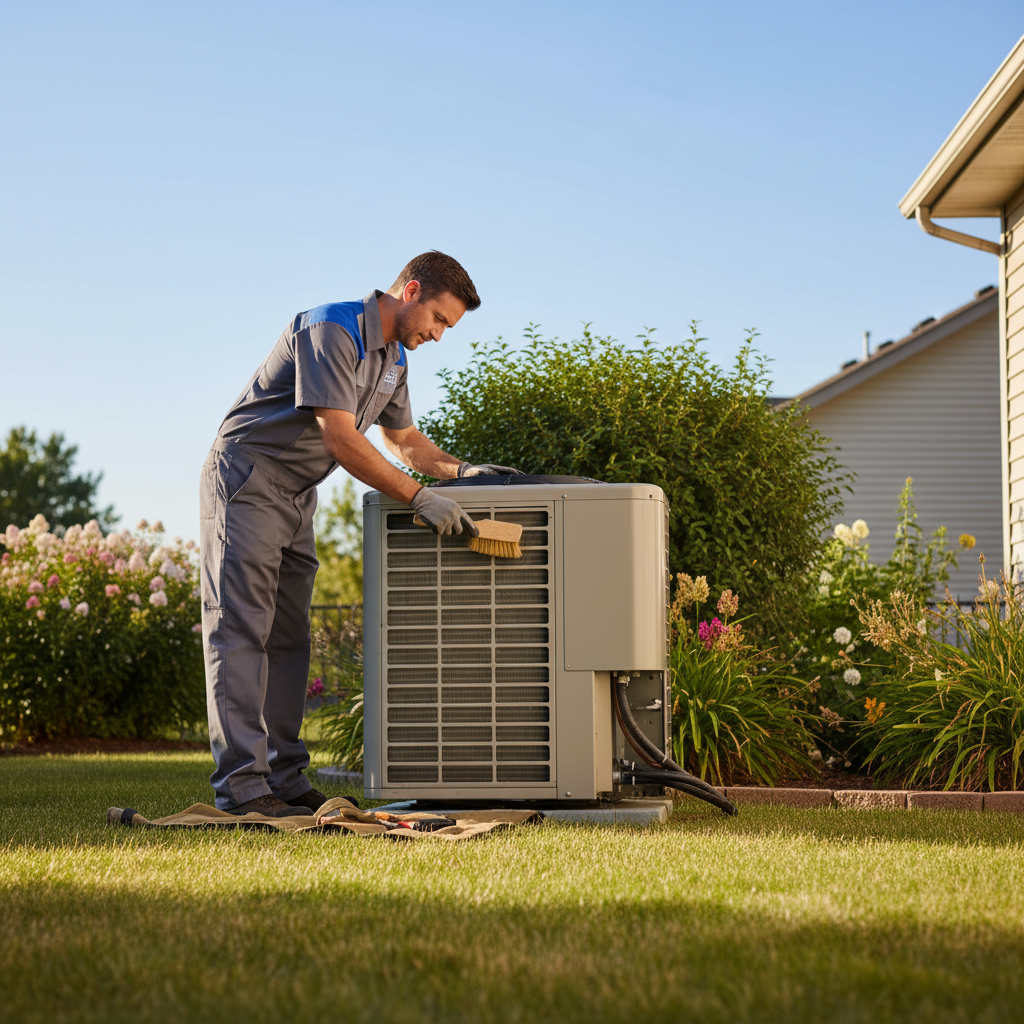
As the winter snow recedes, the focus shifts to ensuring your air conditioner can handle the dry heat typical of the Wasatch Plateau. The transition to cooling requires a proactive approach to prevent your system from seizing up when the first heat wave hits. A primary item on any spring HVAC maintenance checklist is inspecting the outdoor condenser unit. Throughout the winter, windblown debris from the high desert often settles into the fins.
In areas like Price and Wellington, cottonwood fluff is a notorious culprit. It clings to the condenser coils, creating an insulating layer that prevents heat transfer and forces the compressor to work twice as hard. Use a garden hose with a low pressure setting to gently rinse away this buildup and any accumulated dirt. While outside, ensure there is a clear zone of at least 18 to 24 inches around the entire unit. Trim back any sagebrush, tall grass, or ornamental plants that have encroached on the space; airflow is critical for efficient operation.
Inside the home, check the condensate drain line. Even in our dry climate, cooling systems pull moisture from the air, and a clogged line can lead to water damage or system shutoffs. Look for standing water in the drain pan or signs of algae growth in the line.
Finally, perform a test run before the first 90-degree day in June. Turn the system on and listen for unusual grinding or squealing sounds. If the air coming from the vents isn't significantly colder than the room temperature within fifteen minutes, it is time for routine maintenance to check refrigerant levels. Catching these issues early is much more cost-effective than emergency system replacements during a July heat spike. If you discover a problem during your spring inspection, contact Keith HVAC to schedule a professional diagnostic.
Fall HVAC Maintenance Checklist: Winterizing Your Furnace in Carbon County
Transitioning from the cooling season to the heating season happens rapidly in Carbon County. As the temperatures in Helper and East Carbon begin to dip, your furnace becomes the most critical component in your home. Preparing for a long Utah winter requires more than just turning the thermostat to "heat." A thorough fall HVAC maintenance checklist starts with a safety inspection of the area surrounding your furnace. Homeowners often use mechanical closets for storage during the summer, but keeping flammable items like paint thinners, gasoline, or even cardboard boxes near the unit creates a significant fire hazard. Ensure there is at least a three-foot clearance around the entire system to allow for proper combustion air and safety.
When you first engage the heating system, pay close attention to the initial startup. It is normal to detect a faint, dusty odor as the heat exchanger burns off particulates that settled over the summer; however, a persistent smell of rotten eggs indicates a gas leak, while a metallic or electrical burning scent suggests a failing component. If these smells persist, contact Keith HVAC immediately. Additionally, walk through every room to ensure all supply vents are open and unobstructed by furniture or rugs. Closing vents in unused rooms is a common mistake that increases static pressure within the ductwork, which places unnecessary strain on the blower motor and can lead to premature system replacements.
Carbon County is prone to sudden, extreme cold snaps where temperatures can drop well below freezing in a matter of hours. Proactive routine maintenance during the fall ensures that your igniter, flame sensor, and exhaust venting are all functioning correctly before the first major snowstorm arrives. Addressing these small mechanical details in October prevents the stress and higher costs associated with emergency service calls during a mid-winter blizzard.
DIY HVAC Maintenance Tasks Any Homeowner Can Handle
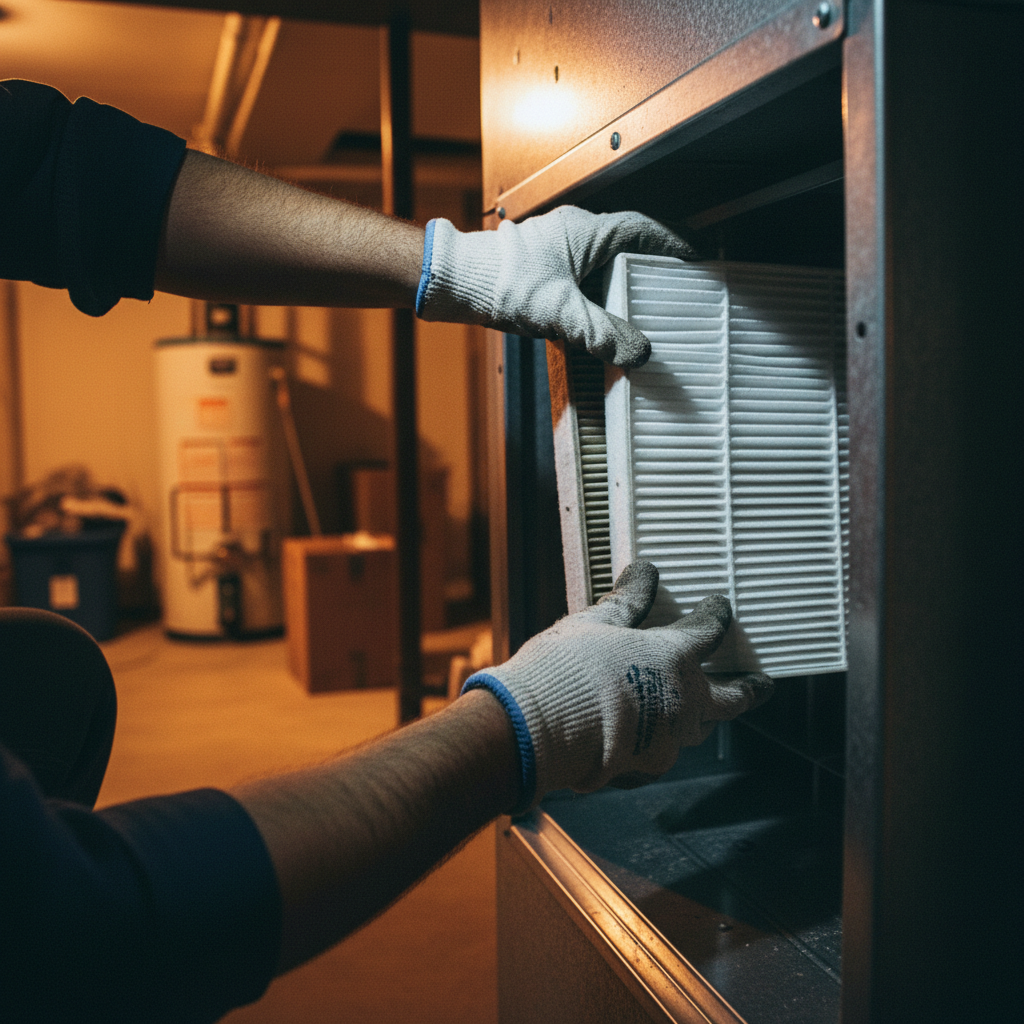
While seasonal readiness prevents major breakdowns, consistent owner-performed upkeep keeps energy bills low and prevents premature wear. The most impactful task a homeowner can manage is regular filter replacement. In our dusty high desert environment, airborne soil and fine particulates quickly saturate standard filters. Check your filter every 30 days, and replace it at least every 90 days. When selecting a replacement, look at the Minimum Efficiency Reporting Value (MERV) rating. For most residential systems in Carbon County, a filter rated between MERV 8 and MERV 11 strikes the right balance, capturing dust and allergens without restricting the airflow your system needs to breathe. Using a filter with too high a rating can actually choke the system, leading to unnecessary stress that mimics the need for system replacements.
Inside the home, maintain clear paths for air travel. Vacuum dust and pet hair from your return and supply registers monthly. Wipe the grilles down with a damp cloth to prevent accumulation from blowing back into your living spaces.
Outside, keep the exterior housing clean. After turning off the system at the thermostat, you can safely wipe down the outer cabinet and clear loose leaves or twigs from the top grille. Always avoid opening any electrical panels or probing internal components to ensure your personal safety.
Finally, review your thermostat programming each season. Setting your system to match your actual daily schedule, such as lowering the heat by a few degrees when you leave for work in Price or Helper, reduces operating hours significantly. These straightforward efforts support your seasonal routine maintenance and keep your system running smoothly. If you encounter rigid filters that refuse to fit or notice unusual system behavior while managing these tasks, feel free to contact Keith HVAC for guidance.
When to Call a Pro: Tasks Best Left to a Keith HVAC Technician
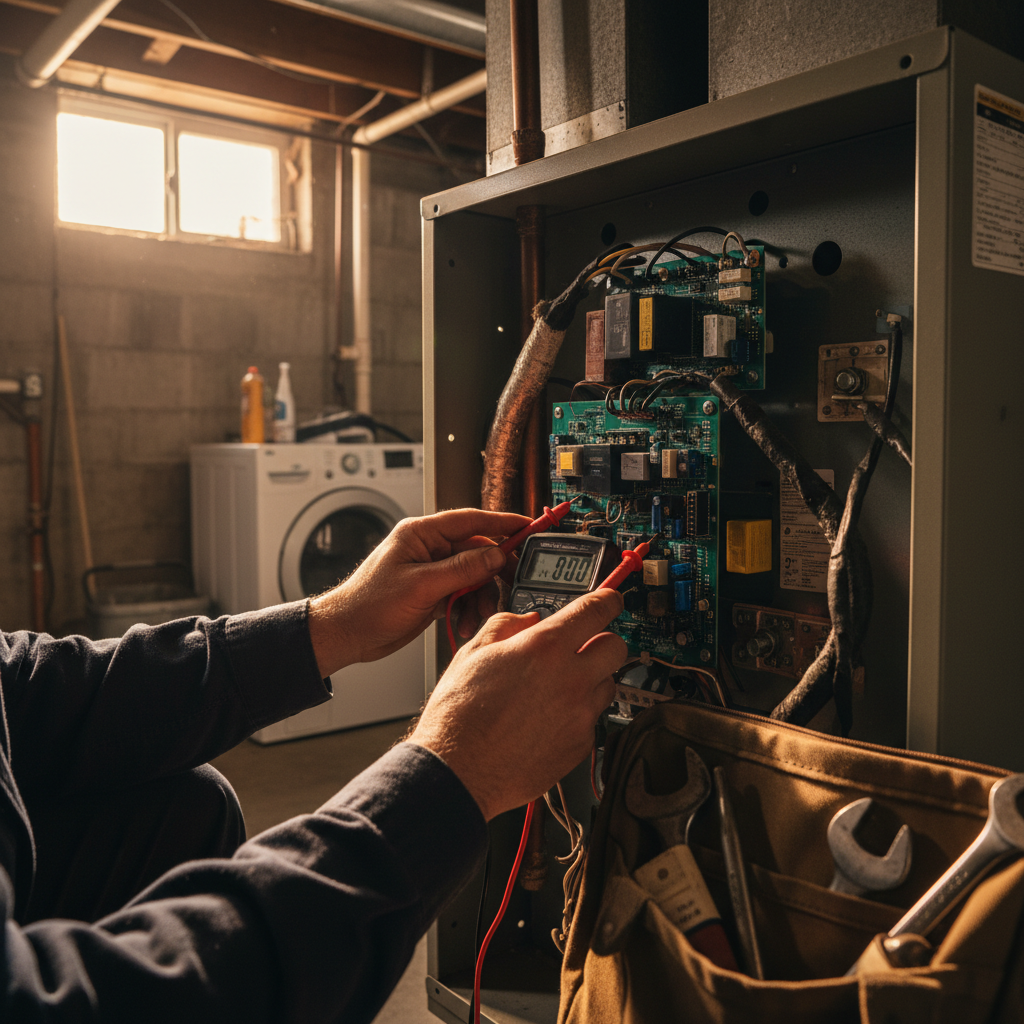
While cleaning registers and changing filters are essential parts of your HVAC maintenance checklist, technical diagnostics require specialized training and equipment. The boundary between DIY care and professional service is defined by safety and system integrity. Homeowners should never attempt to service refrigerant lines, gas valves, or high voltage electrical components. These systems carry significant risks of electrocution or gas leaks if handled improperly. Refrigerant, in particular, requires EPA certification for handling due to environmental regulations and the precise pressures required for your unit to operate without causing internal damage.
When a technician performs routine maintenance, they use calibrated multimeters to check electrical draw on motors and capacitors. This allows us to identify a failing part before it leaves you without heat on a sub-zero January night. Professionals also measure airflow to ensure the blower is operating within the manufacturer’s specific static pressure range, which is a calculation that cannot be diagnosed by touch or sound alone.
One of the most vital professional tasks is the inspection of the heat exchanger. The extreme temperature swings in Carbon County cause these metal components to expand and contract aggressively. Over time, this stress can result in microscopic cracks. A technician uses specialized scopes to check for these flaws, which are the primary source of dangerous carbon monoxide leaks. Ensuring the integrity of this component is a safety requirement that goes far beyond basic cleaning.
Beyond immediate safety, professional service is a financial necessity. Most manufacturer warranties explicitly state that coverage is void unless the equipment receives annual routine maintenance from a licensed professional. Keeping a paper trail of these visits protects your investment if you ever need major system replacements in the future. If you have questions about the current state of your equipment or need a safety inspection, contact Keith HVAC to schedule a comprehensive performance evaluation.
Understanding the 5,000 Rule for HVAC Repair or Replacement
Even with a consistent HVAC maintenance checklist, every mechanical system eventually reaches the end of its functional life. When a technician identifies a significant component failure, homeowners often struggle to decide between a fix or a full upgrade. The 5,000 rule offers a practical framework for this decision. You multiply the age of the unit in years by the estimated cost of the repair. If the total exceeds 5,000, industry standards suggest that investing in system replacements is a more fiscally responsible choice than patching an aging machine.
For example, if a 12 year old air conditioner in Price requires a $600 motor replacement, the result is 7,200. In this scenario, the money is better spent on new equipment. This rule is especially relevant in Carbon County because modern systems offer significantly higher SEER2 ratings compared to units installed a decade ago. Given our local energy costs and the extreme temperature swings that force systems to run at maximum capacity, the efficiency gains of a new unit often pay for themselves through reduced monthly utility bills. While routine maintenance extends the timeline, it cannot stop the natural decline of mechanical efficiency. If your current repair quote pushes you over that 5,000 threshold, contact Keith HVAC to discuss high efficiency options specifically designed for Utah's high desert climate.